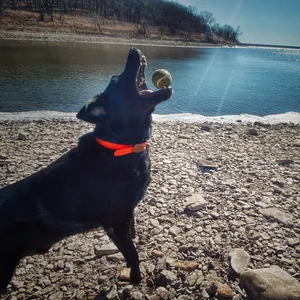
A Food Unmotivated Dog, Meal Feeding, and Banning the Bowl-A Clever Training Tip
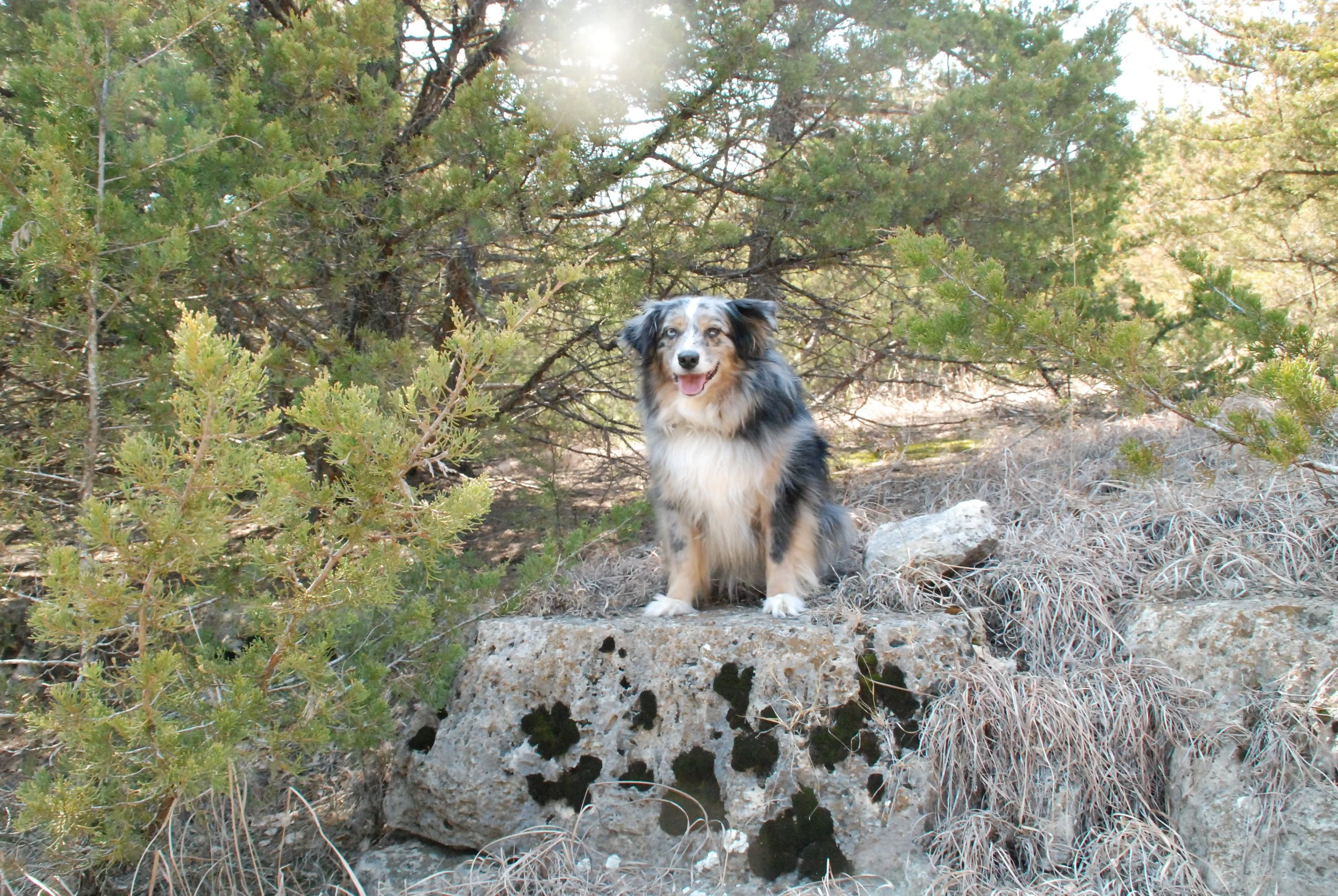
Aussie learned to enjoy going on adventures!
Aussie came to live with me and my son as a 3 year old dog. He was rehomed since the other dogs in the house were picking on him. He lived a small life hiding under the bed a lot. I was told when I picked him up that he was not the least bit food motivated. I thought, well that is interesting, but most likely wrong. I do like a challenge though, so I prepared myself for the challenge of helping him learn the joys of training with food.
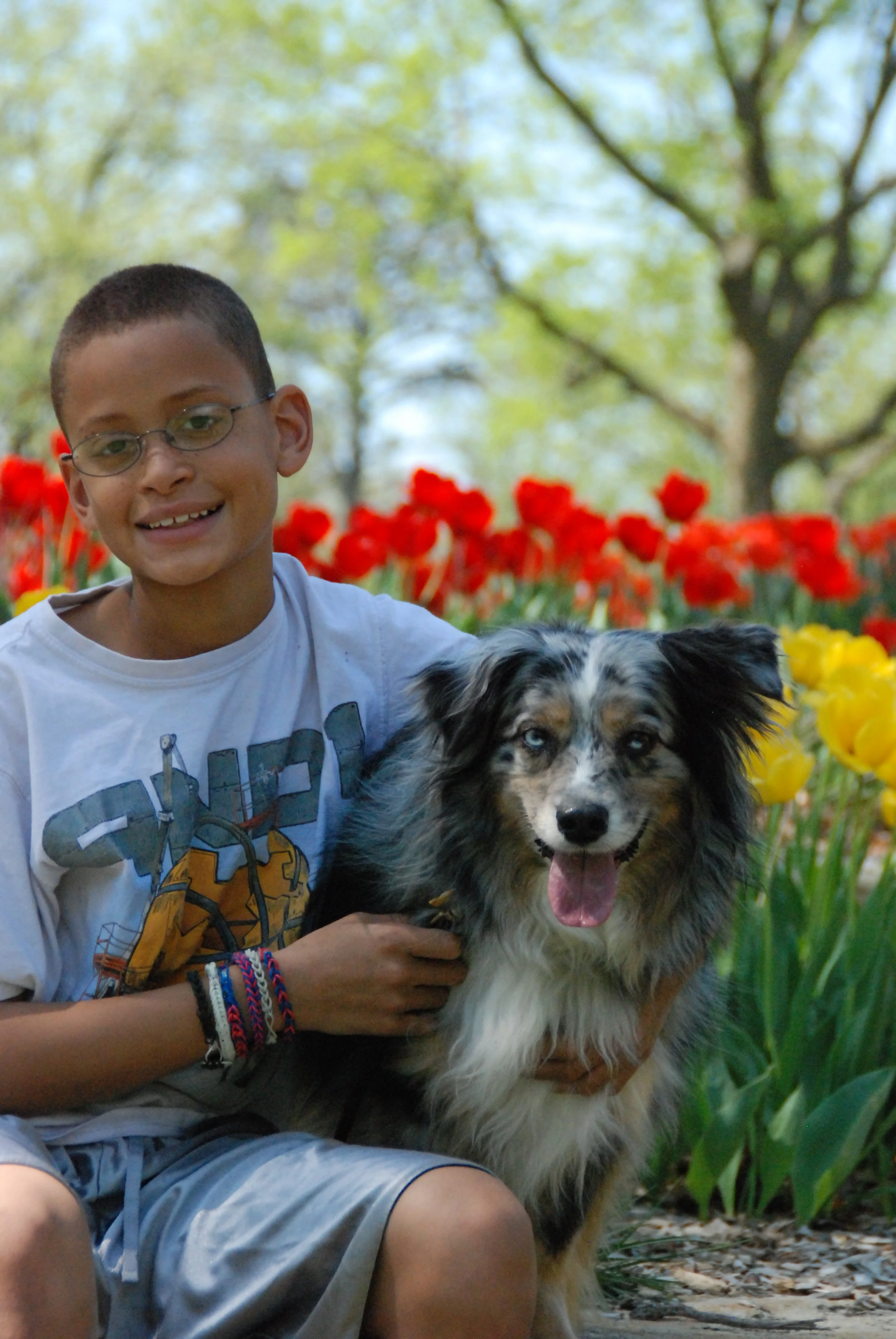
A boy and his dog.
To start I got him on a schedule of meal-feeding. Meal feeding is when you feed their daily food amounts in 2-3 feedings over a certain amount of time. I usually put out food for 10 minutes and then if the dog hasn’t eaten during that timeframe I will pick it back up and save it for later. Once they learn how to eat, being meal-fed for 10 minutes is not needed–a well-trained meal-fed dog will usually eat within 5 minutes. After a week he was nicely settled in and was eating well on his new schedule.
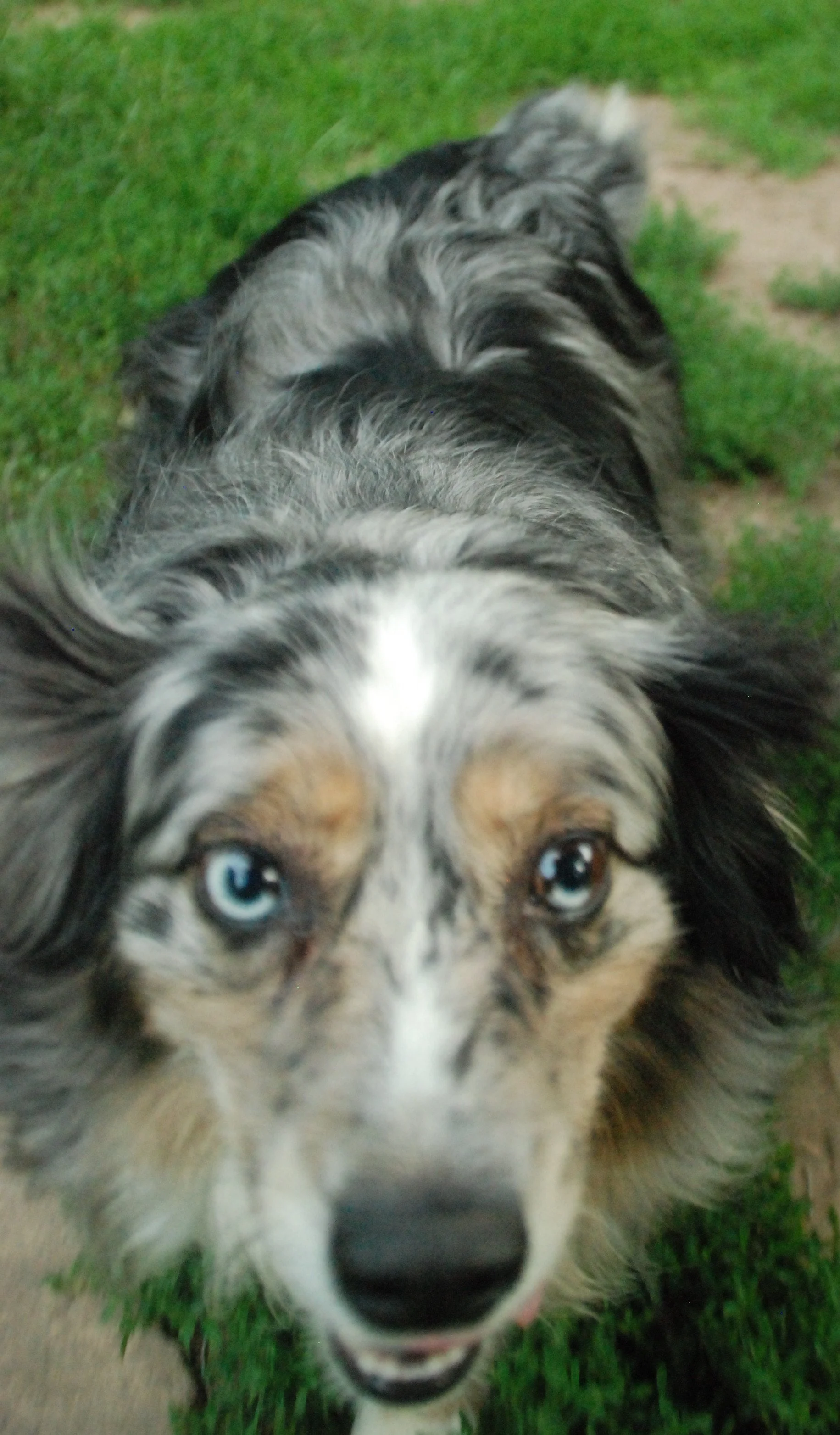
A clicked dog is a happy dog!
I then started banning the bowl for one meal a day. I call it banning the bowl, but it essentially means to take at least one of the dog’s meals a day and train the dog with it. It is a great way to train with your dog without having to worry about giving extra calories!
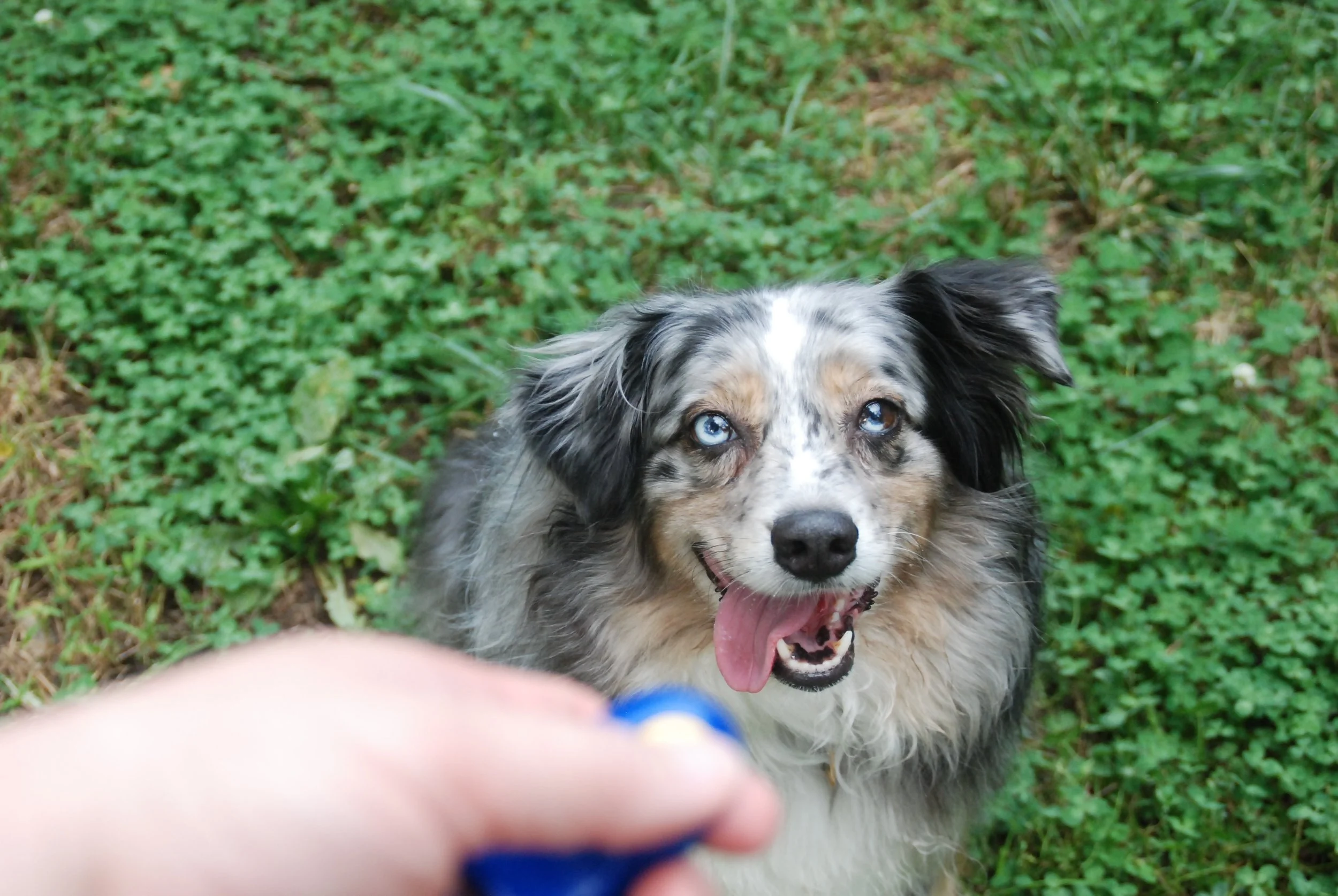
Charging up the clicker teaches the dog that the click sound means a food reward is coming.
To start getting him engaged in working with me, I started by clicking the clicker then giving him a kibble. This is called charging the clicker-you only have to do it over 1-2 sessions and then it will be charged. Charging the clicker basically means you are teaching the dog that the sound of the click means something. It is also called classical conditioning—does the mention of Pavlov’s dogs ring any bells?!
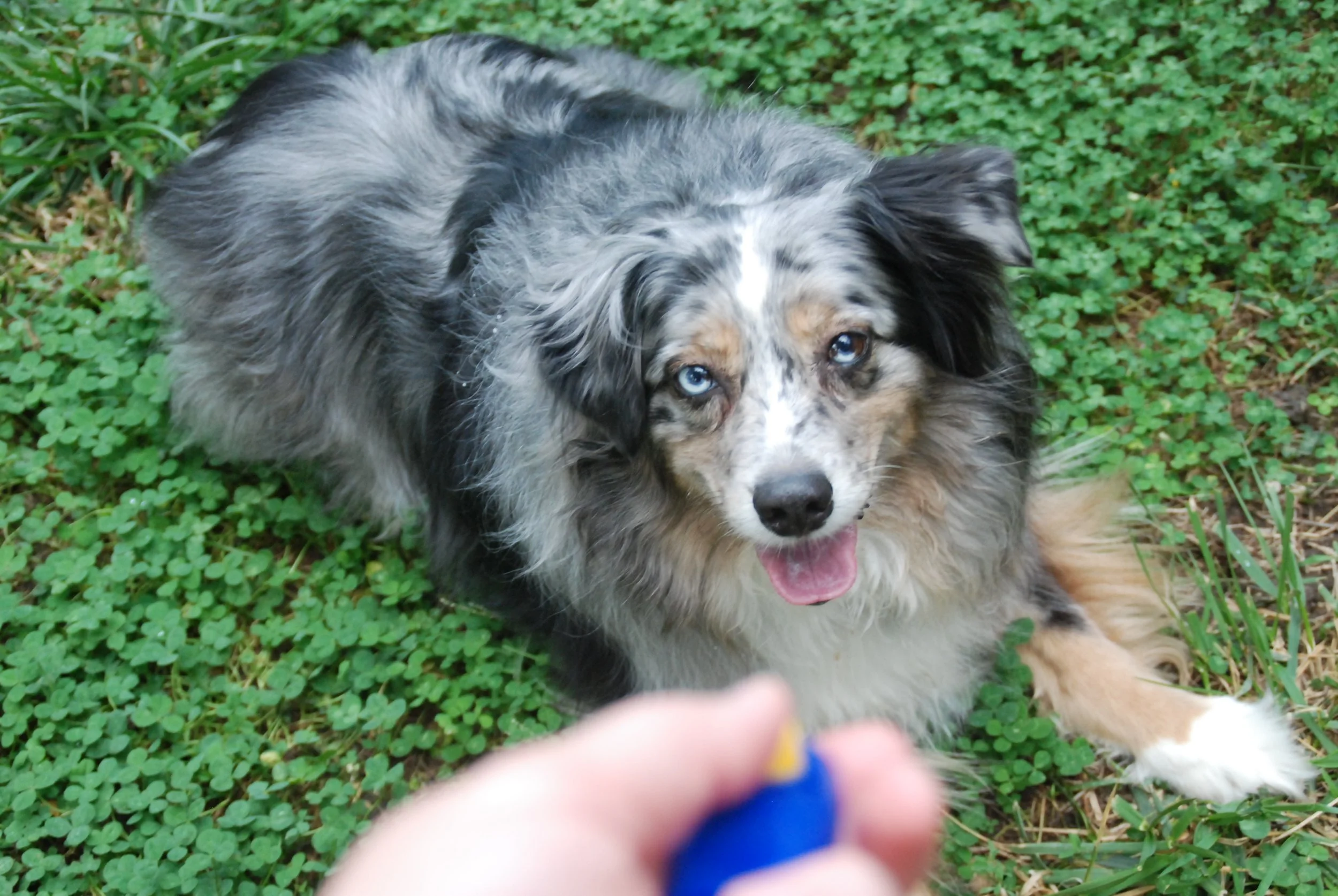
The clicker is showing in the two photographs in this article to show one is being used for training. You wouldn’t normally hold it so it is pointing at the dog, you will hold it neutrally in your hand by your side.
To charge the clicker, you will hold the clicker neutrally in your hand, You will click it, then take a piece of kibble and hand it to your dog. Get in the habit right from the start of click then treat-so many people think it is click and treat- but it is essential for good training to have a pause between the click and the treat for the classical conditioning to work effectively. The pause is just a few seconds, though.
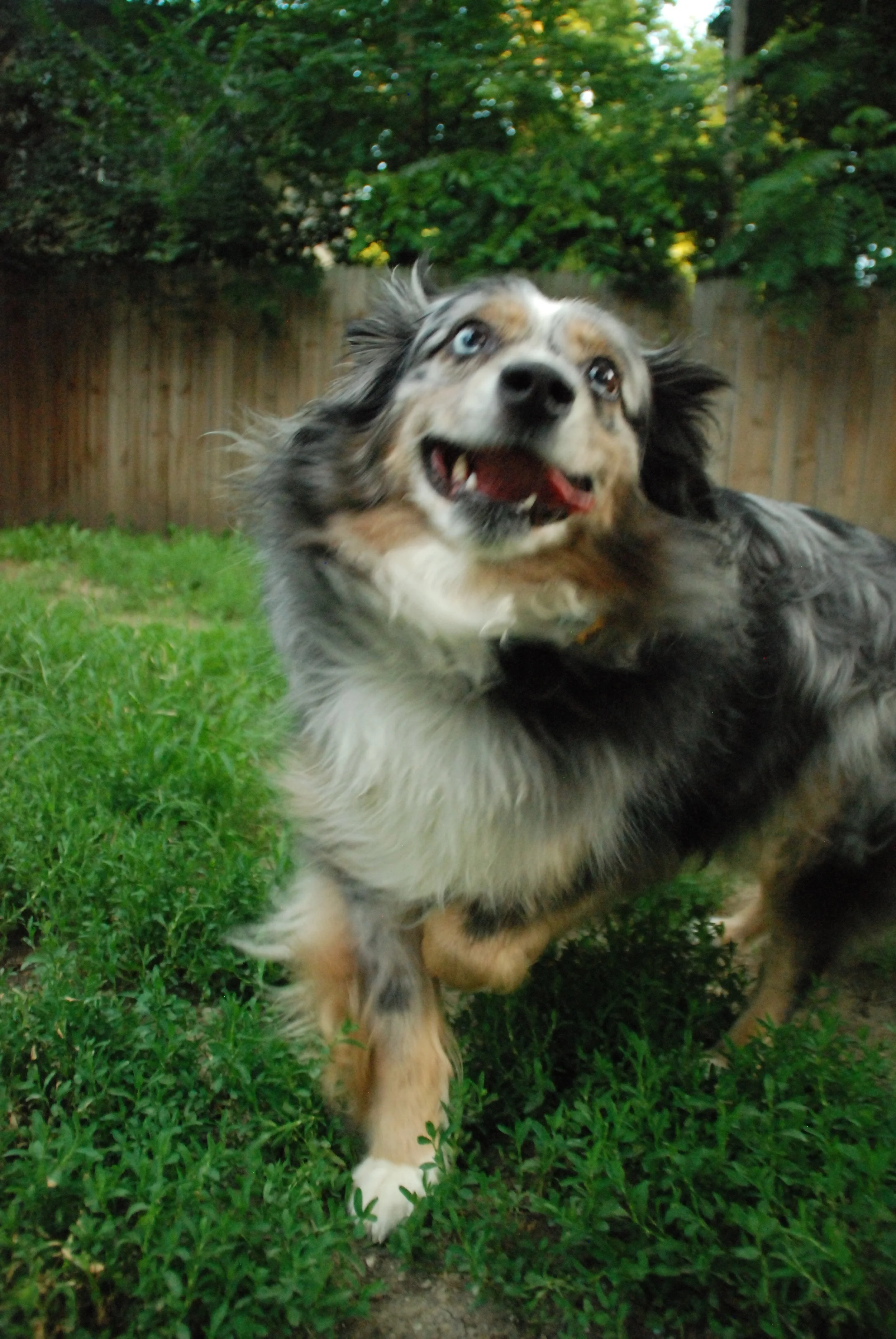
Aussie was one happy training partner.
So commit to feeding the whole meal so you can effectively charge the clicker. Once you have clicked then treated a couple of dozen times, then show the kibble to your dog and toss it about a foot away from you. When your dog’s back is turned to you then you will click the clicker, if your dog reorients to you after hearing the sound of the clicker then you know the click is starting to mean something to your dog. Finish out the rest of the bowl in this manner. If your dog is a bigger dog and eats a lot of kibble, then you might want to feed 3-4 kibbles after you click instead of one at a time.
If your dog picks it up quickly and you are confident he knows that a click means food is coming then you won’t need to charge the click again. If your dog doesn’t seem confident about it, then one more session of charging the clicker during meal time will probably be all that you need.
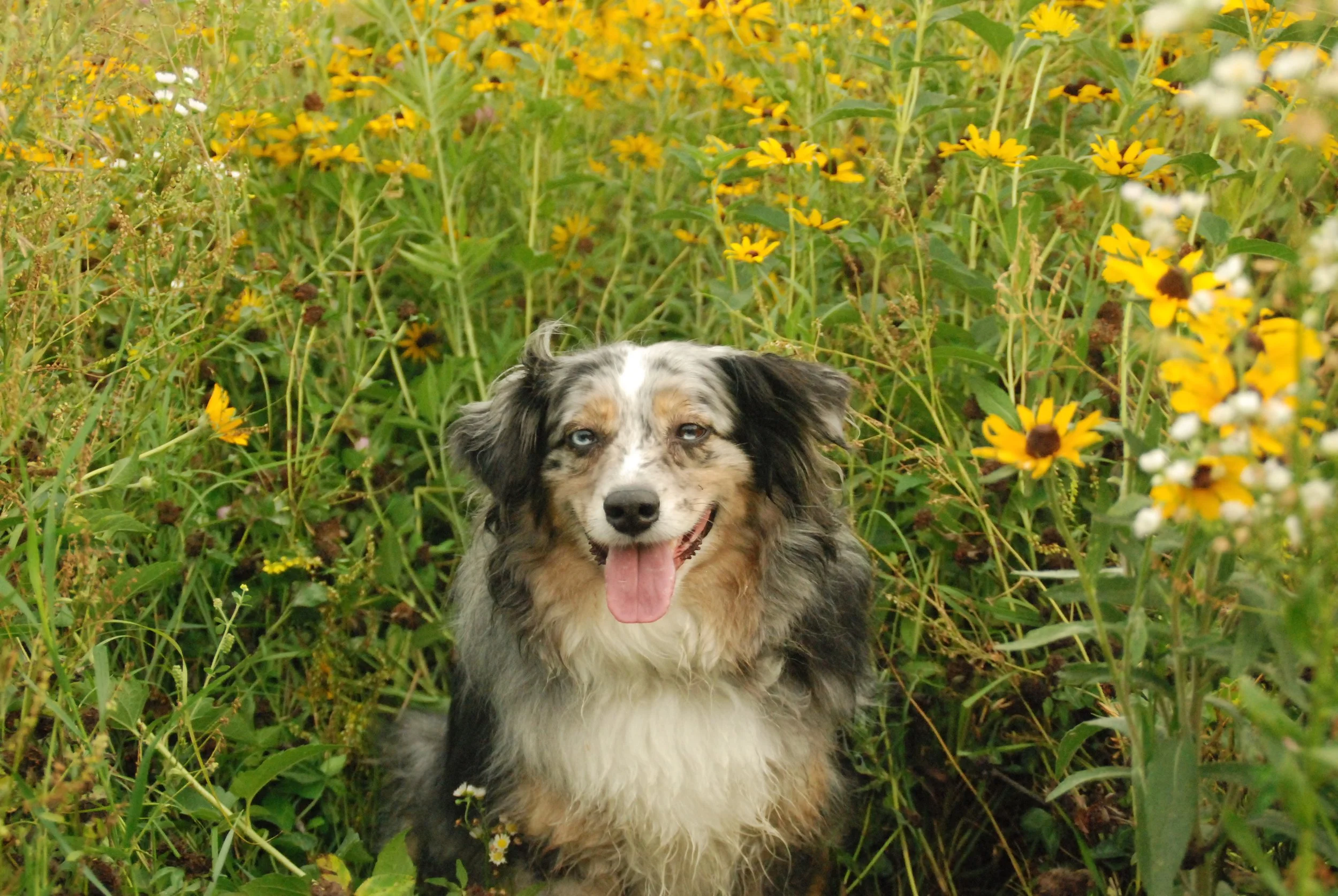
Photo sessions were an opportunity for him to get his food rewards! He had such a great smile!
Aussie took two sessions as he was pretty timid when I first got him. By the end of the second session he was confidently taking the kibble from my hand. You can drop the kibble on the floor close to your feet if needed, but I do like to take the time to teach my dogs to take their food rewards from my hands as it is a great point of connection between you and your dog each time your dog takes a reward from your hand. Plus, I like my dogs to be flexible and willing to take the treats however I deliver them; whether it is from my hands, on the ground or dropped into a bowl.
You might also be wondering why I say ban the bowl for at least one training session a day and not to just ban the bowl all around. You can train your dog with all his daily kibble rations, but I like to also have my dogs used to eating out of a bowl to keep them behaviorally flexible. There might be times when you can’t train with your dog, such as when you board your dog. You don’t want your dog to be so stressed out he doesn’t eat because he was never taught to eat out of a bowl. Other times you might need to give your dog a prescription canned diet or put medicine in his food, so you will need to be able to feed him in his bowl. Your dog will build more mental strength and resilience for living life if you help him become more behaviorally flexible and adaptable, which overall will help him develop into a confident dog.
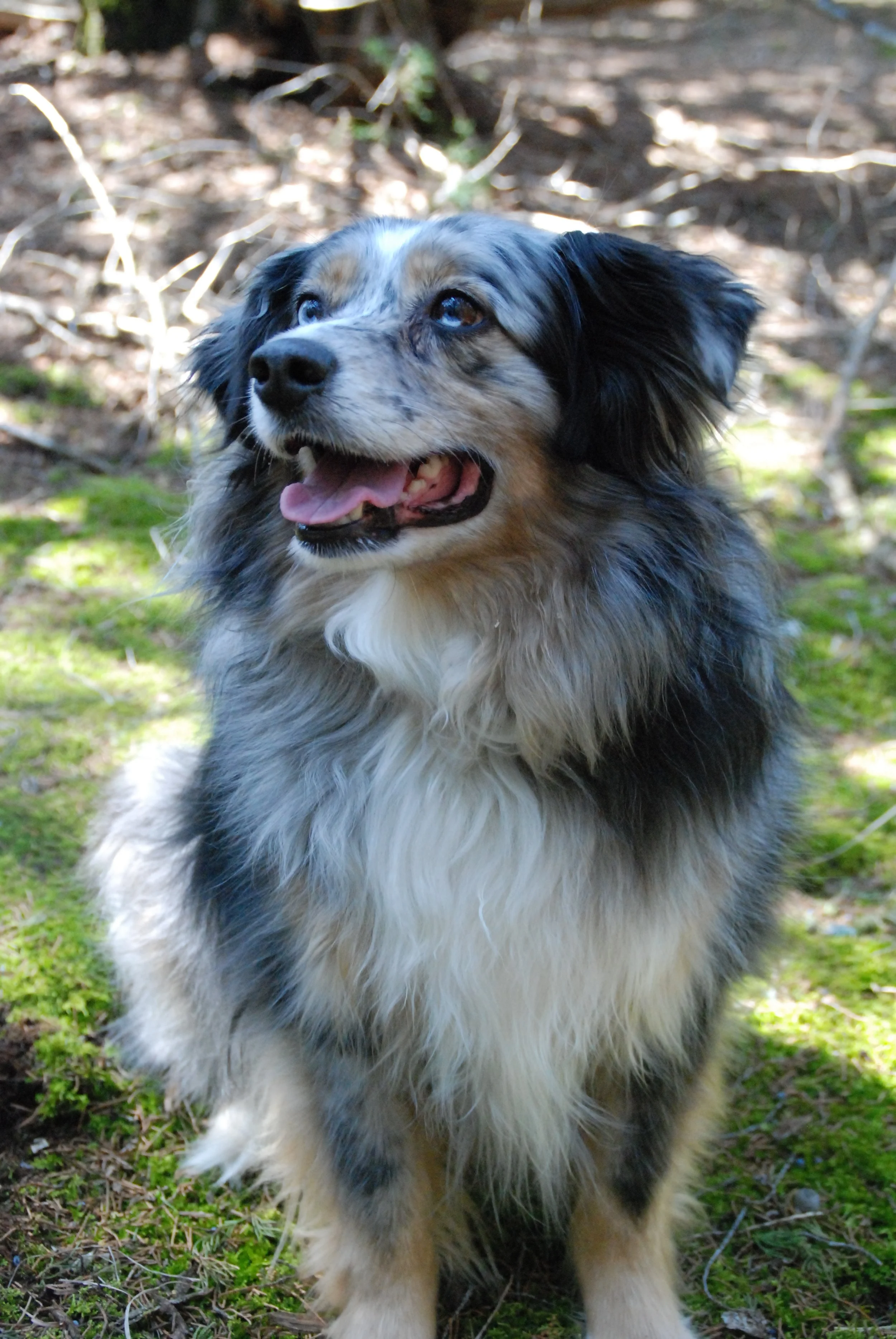
Such a pretty dog staying patiently for his photograph!
Aussie became a dog that LOVED training with me, whether I trained with his kibble or with higher value treats. So the little timid, bullied dog that lived a small life that wasn’t interested in food became the King of his domain in my house. He LOVED LOVED LOVED his training sessions and was one very food motivated dog during his life with me! Not only did he love training with me, he was phenomenal at raising the puppies that came into the house, teaching them how to play properly with adult dogs along with how to develop a healthy dose of respect for adult dogs. Even though he was one of the smaller dogs–he was a mini Aussie-the other dogs had great manners when he was around no matter how big they got!
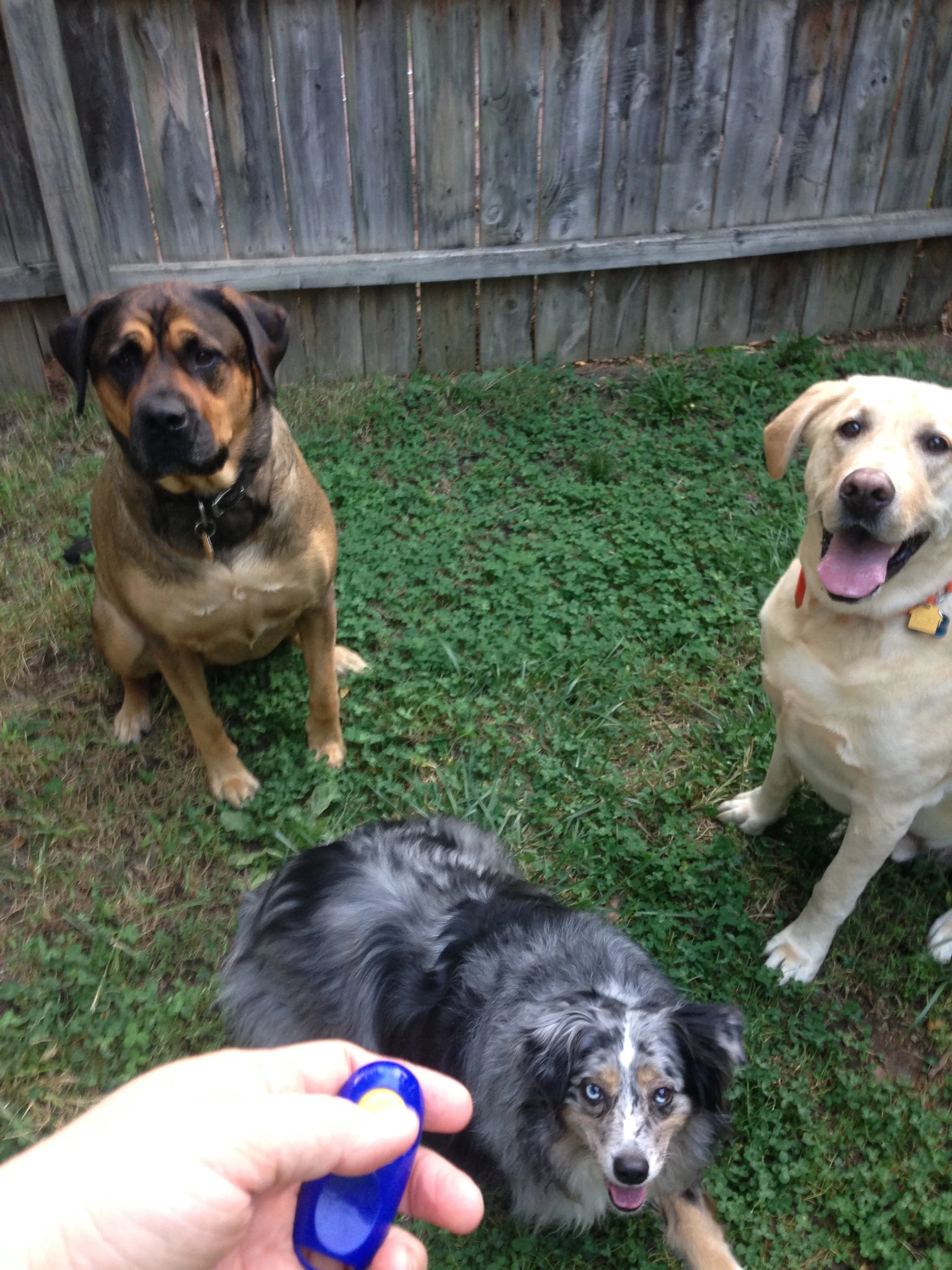
Group training with a clicker
Aussie taught me that yes, if done right all dogs are food motivated and that the training we did together helped him develop into a more mentally strong and confident dog than he had been in his previous life! Wins all around in my book! Thanks for all the wonderful years we got to share together! I miss you, buddy!
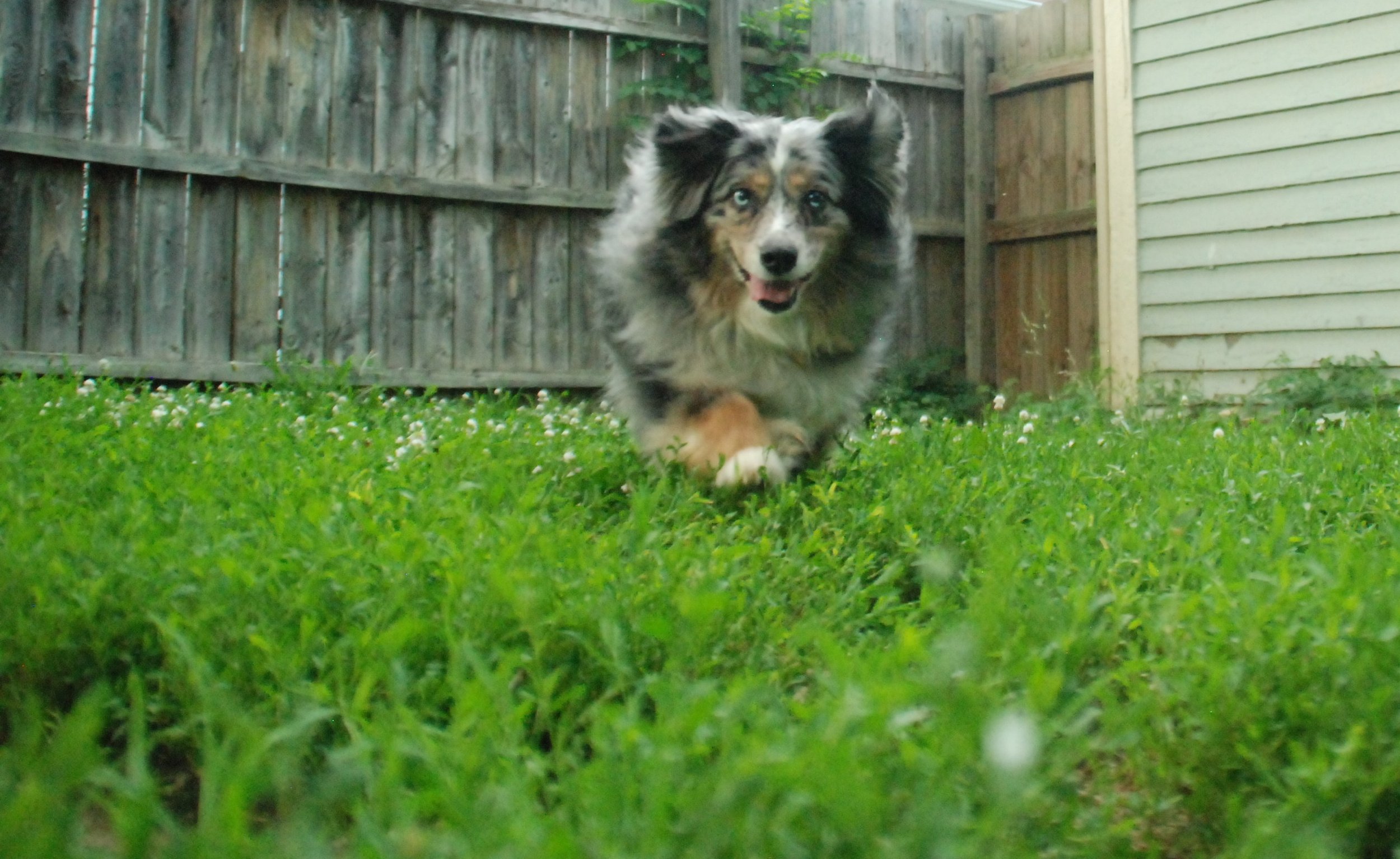
Aussie had a phenomenal recall, all thanks to training with food!
You can easily create a food-motivated dog by embracing meal feeding and banning the bowl for one meal a day, also! Let me know how it goes for you and contact me for lessons if you need some guidance.